 Solange Émile
 Understanding a diagram car stereo gm wiring harness color codes is essential for anyone looking to install or troubleshoot a car stereo system in a General Motors (GM) vehicle. These diagrams act as roadmaps, deciphering the complex network of wires that power your audio experience. Without this knowledge, attempting to modify or repair a car stereo system can lead to damage to the vehicle’s electrical system or the stereo itself. Successfully navigating the wiring ensures a safe and functional installation. Therefore, gaining insights into these codes can save time, money, and potential headaches.
Working with a diagram car stereo gm wiring harness color codes requires familiarity with standard automotive wiring practices. Each wire in the harness is color-coded to identify its specific function, such as power, ground, speaker outputs, and remote turn-on. Ignoring these color codes can result in misconnections that compromise the entire system. Consulting a reliable diagram will prevent accidental shorts, blown fuses, and other electrical issues.
The availability and accuracy of diagram car stereo gm wiring harness color codes have significantly improved with digital resources. Online databases, specialized forums, and manufacturer documentation provide readily accessible information. Its important to cross-reference multiple sources to confirm the accuracy, as variations can exist between different GM models and model years. Using incorrect information could lead to serious damage. Therefore, careful research and validation are paramount.
Understanding Diagram Car Stereo GM Wiring Harness Color Codes
The topic of diagram car stereo gm wiring harness color codes is often discussed within car audio enthusiast communities. Many individuals seek guidance on how to correctly interpret these diagrams for custom installations or repairs. Misinterpreting a wire’s function can result in component damage, so seeking expert advice is recommended. This highlights the importance of accurate information and a solid understanding of electrical principles.
The discussions around diagram car stereo gm wiring harness color codes also frequently arise in the context of aftermarket stereo upgrades. Installing a new head unit or amplifier often requires adapting the factory wiring harness to the new components. This involves understanding the function of each wire and making the correct connections. Compatibility issues and potential troubleshooting steps are often debated in online forums, underlining the need for clear and concise guides.
Legal and safety aspects concerning diagram car stereo gm wiring harness color codes are also a consideration, with discussions focusing on the responsibility of installers to ensure correct wiring. Incorrect installations can pose fire hazards or compromise vehicle safety systems. Therefore, the discussion always underscores the need for both skill and knowledge. This is especially critical for professional installers.
Decoding Diagram Car Stereo GM Wiring Harness Color Codes
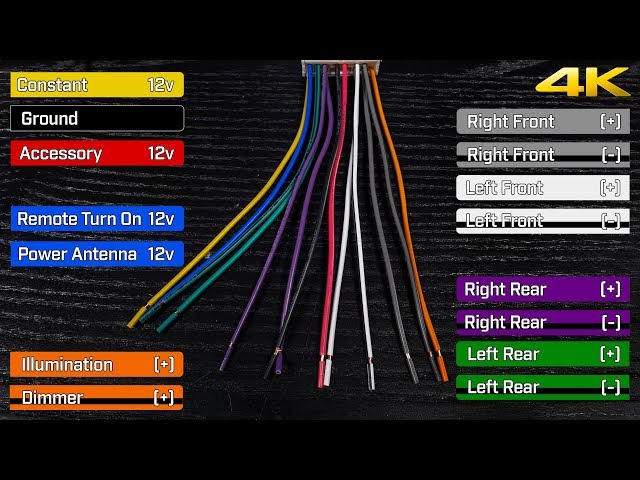
The process of decoding a diagram car stereo gm wiring harness color codes typically involves several steps, each requiring attention to detail and a clear understanding of automotive electrical systems. The first step is to identify the vehicle’s year, make, and model to ensure the diagram matches the specific wiring configuration. The next step is to understand the basic color codes used by GM, such as yellow for battery power, black for ground, and various colors for speaker outputs.
1. Obtain the Correct Diagram
Before starting any work, locate the specific wiring diagram for your GM vehicle’s year, make, and model. This information is crucial, as wiring configurations can vary significantly between models and model years. Refer to the vehicle’s service manual, online databases, or reputable car audio forums for accurate diagrams. Ensure that the diagram clearly illustrates the harness and color codes you need to interpret. Confirming its accuracy from multiple sources is also highly recommended.
2. Identify Key Wires
Begin by identifying the primary wires: power, ground, and accessory. Power wires are typically yellow or red, ground wires are black, and accessory wires (which turn on the stereo with the ignition) are often orange or pink. Use a multimeter to verify the presence of voltage on the power and accessory wires with the ignition on. Always disconnect the battery before testing the wires to prevent accidental shorts. Proper identification of these wires is critical for a successful installation.
3. Decode Speaker Wires
Speaker wires are usually paired and consist of a solid color wire and a wire with a stripe of another color. Each pair corresponds to a specific speaker in the vehicle. The solid color is typically the positive (+) connection, while the striped wire is the negative (-). Refer to the wiring diagram to determine which pair corresponds to each speaker (front left, front right, rear left, rear right). This ensures proper speaker phasing and optimal sound quality. Mismatched wiring can lead to reduced audio output and speaker damage.
4. Understand Additional Wires
Some wiring harnesses may include additional wires for features like remote turn-on, illumination, or steering wheel controls. The remote turn-on wire (typically blue or blue/white) signals an amplifier to turn on when the stereo is powered. The illumination wire (often orange/white) dims the stereo display when the headlights are on. Steering wheel control wires allow the aftermarket stereo to interface with the vehicle’s steering wheel controls. Knowing the purpose of these wires is important for utilizing the full capabilities of the new stereo.
5. Test and Verify Connections
After making all connections, thoroughly test and verify each wire before fully reassembling the dashboard. Use a multimeter to check for proper voltage and continuity on all wires. Turn on the stereo and test each speaker to ensure it is functioning correctly. If any issues arise, double-check the wiring diagram and connections. Taking the time to properly test and verify connections will prevent future problems.
Frequently Asked Questions About Diagram Car Stereo GM Wiring Harness Color Codes
Understanding the nuances of diagram car stereo gm wiring harness color codes can often lead to questions, especially for those new to car audio installations. Many people wonder about the consistency of color codes across different GM models or the best way to troubleshoot wiring issues. Addressing these frequently asked questions can provide valuable insights and promote a deeper understanding of the subject matter. These are some answers to the most common questions.
Are GM wiring harness color codes consistent across all models and years?
While there are general standards for GM wiring harness color codes, they are not entirely consistent across all models and years. Variations can occur due to different vehicle platforms, manufacturing plants, or model-specific features. Therefore, it’s crucial to always refer to the specific wiring diagram for your particular vehicle. Relying on generic color codes without verification can lead to wiring errors and system damage.
What is the best way to troubleshoot a wiring issue when using a diagram car stereo gm wiring harness color codes?
When troubleshooting a wiring issue, begin by carefully reviewing the wiring diagram and verifying all connections. Use a multimeter to check for voltage, continuity, and ground. If a specific component is not working, trace the wiring back from that component to identify any breaks, shorts, or loose connections. Systematically eliminating potential causes is important. Consult online forums or seek professional help if the problem persists.
What tools are essential for working with diagram car stereo gm wiring harness color codes?
Essential tools include a multimeter, wire stripper, crimping tool, wire connectors, electrical tape, and a wiring diagram. A multimeter is used to test voltage, continuity, and ground. A wire stripper is used to remove insulation from wires without damaging the conductors. A crimping tool is used to securely attach wire connectors. Wire connectors provide reliable connections between wires. Electrical tape is used to insulate connections and prevent shorts. A wiring diagram provides the necessary information about wire colors and functions.
Where can I find reliable diagram car stereo gm wiring harness color codes?
Reliable diagrams can be found in vehicle service manuals, online databases (such as AllData or Mitchell OnDemand), and reputable car audio forums. Vehicle service manuals provide the most comprehensive and accurate information. Online databases offer convenient access to wiring diagrams for a wide range of vehicles. Car audio forums can provide valuable insights and tips from experienced installers. Always cross-reference information from multiple sources to ensure accuracy.
What are the potential risks of misinterpreting a diagram car stereo gm wiring harness color codes?
Misinterpreting a wiring diagram can lead to several potential risks, including electrical shorts, blown fuses, damage to components, and even fire hazards. Incorrect wiring can cause components to malfunction or fail prematurely. Electrical shorts can create dangerous heat build-up and potentially ignite flammable materials. Always double-check your work and consult with a professional if you are unsure about any aspect of the wiring.
How do I adapt a diagram car stereo gm wiring harness color codes for an aftermarket stereo installation?
Adapting a factory wiring harness for an aftermarket stereo installation typically involves using a wiring harness adapter. This adapter plugs into the factory harness and provides color-coded wires that match the aftermarket stereo’s wiring. Connect the adapter wires to the corresponding wires on the aftermarket stereo’s harness, following the wiring diagram for both the vehicle and the stereo. This simplifies the installation process and prevents damage to the factory wiring.
What does the term “remote turn-on wire” mean in diagram car stereo gm wiring harness color codes?
The “remote turn-on wire” (typically blue or blue/white) signals an amplifier to turn on when the stereo is powered. This wire is connected from the aftermarket stereo to the amplifier’s remote turn-on terminal. When the stereo is turned on, it sends a 12-volt signal through the remote turn-on wire, which activates the amplifier. This ensures that the amplifier only draws power when the stereo is in use.
Understanding the diagram car stereo gm wiring harness color codes is essential when installing an aftermarket stereo in a GM vehicle because it ensures that the stereo functions correctly and doesn’t damage the vehicle’s electrical system. The color codes, although standardized, can vary slightly across different models and years, so verifying the specific diagram for your vehicle is essential. This involves cross-referencing multiple sources, such as vehicle-specific service manuals, online databases, and experienced forums.
Correctly interpreting the diagram car stereo gm wiring harness color codes requires a basic understanding of automotive electrical principles and how each wire is typically configured. This may also necessitate confirming the functionality of key wires, such as power, ground, and accessory, using a multimeter. Successfully navigating this landscape of color codes ensures compatibility between the factory wiring and the new stereo. It also prevents short circuits, blown fuses, and other potential electrical problems.
The significance of understanding diagram car stereo gm wiring harness color codes extends beyond just installing a new stereo. It also proves essential when diagnosing and repairing existing car stereo systems or adding other audio components. Being able to quickly identify and trace wires can save considerable time and effort when troubleshooting issues. Additionally, it equips the user with the knowledge to customize their audio setup, add amplifiers, subwoofers, or other aftermarket components, all while ensuring safe and reliable wiring.
Key Aspects of Diagram Car Stereo GM Wiring Harness Color Codes
When considering the part of speech “diagram car stereo gm wiring harness color codes”, understanding key aspects becomes very important. These aspects ensure accurate interpretation and application for safe and effective car audio system modifications or repairs. Considering that “diagram car stereo gm wiring harness color codes” serves as a guide, it involves details like color-coding standards and function identification. The focus lies on understanding the individual wiring components and their correct applications.
Color Standards
GM uses a set of consistent color-coding standards to identify the function of each wire in the harness. Common colors include yellow for battery power, black for ground, red for ignition power, and various colors for speaker outputs. However, minor variations can exist between different models and years, emphasizing the need to confirm the specific wiring diagram. Adhering to these color standards is paramount to prevent electrical issues and ensure proper functioning of the stereo system.
Function Identification
Each wire in the harness has a specific function, such as providing power, ground, speaker output, or control signals. The wiring diagram identifies the function of each wire based on its color and location within the harness. It is essential to understand the function of each wire before making any connections. Incorrect connections can lead to damage to the stereo system or the vehicle’s electrical system. Correct identification ensures the components work in harmony.
Wiring Diagrams
A wiring diagram is a visual representation of the electrical connections within the car stereo system. It shows the location of each wire, its color code, and its function. Wiring diagrams are essential for troubleshooting electrical issues and making modifications to the stereo system. They provide a clear roadmap for understanding how the different components are connected and how they interact with each other. These maps are essential for successful repairs.
Multimeter Use
A multimeter is a valuable tool for testing electrical circuits and verifying the function of each wire in the harness. It can be used to measure voltage, current, and resistance. By using a multimeter, you can confirm that each wire is carrying the correct voltage and that there are no shorts or open circuits. A multimeter can help with safe installations.
These key aspects are essential for ensuring accurate and safe modifications to car audio systems. The combination of standardized color schemes, correct function identification, and the use of wiring diagrams and multimeters contributes to more effective problem solving.
Overall, the reliability of diagram car stereo gm wiring harness color codes depends on its accuracy and the user’s ability to interpret it. Consulting the vehicle-specific manual is always recommended for maximum accuracy. Combining the information found in such manuals with practical knowledge gained from forums enhances a user’s ability to properly install or troubleshoot audio components. This also builds user confidence.
Tips for Using Diagram Car Stereo GM Wiring Harness Color Codes
Working with diagram car stereo gm wiring harness color codes can be straightforward with the right approach and understanding. This guide outlines several tips to consider before, during, and after working with your car’s wiring. These tips can help ensure a safe and effective installation or repair of a car stereo system. Following these guidelines can significantly reduce the risk of wiring errors, electrical damage, and potential safety hazards.
Employing best practices when referencing diagram car stereo gm wiring harness color codes ensures not only the proper functionality of the car stereo but also maintains the overall integrity of the vehicle’s electrical system. Being methodical, utilizing the right tools, and cross-referencing information are just a few essential tips. This information will help the user make the most of the diagram, preventing costly mistakes and ensuring a reliable result.
Double-Check the Diagram
Before starting any work, always double-check that the wiring diagram you are using matches the specific year, make, and model of your GM vehicle. Wiring configurations can vary significantly between models and model years, so it’s crucial to have the correct diagram. Verify the diagram’s accuracy by cross-referencing it with other sources, such as online databases or service manuals. Using an incorrect diagram can lead to serious wiring errors.
Disconnect the Battery
Prior to working with any electrical components in your vehicle, always disconnect the negative terminal of the battery. This will prevent accidental shorts and electrical damage. Use a wrench to loosen the nut on the negative terminal and carefully remove the cable. Secure the cable away from the battery to prevent it from accidentally reconnecting. Safety is paramount, and disconnecting the battery is a crucial step.
Use Quality Tools
Invest in quality tools for working with electrical wiring, such as wire strippers, crimpers, and a multimeter. Quality tools will make the job easier and safer. Wire strippers should be able to remove insulation without damaging the wire. Crimpers should create secure and reliable connections. A multimeter is essential for testing voltage, continuity, and ground. Properly using quality tools can improve your results.
Test Connections
After making each connection, thoroughly test it with a multimeter to ensure it is properly connected and that there is no short circuit. Check for voltage, continuity, and ground as needed. Use the multimeter to verify that the correct voltage is present on the power wires and that the ground wire is properly grounded. Testing connections is a simple way to find and correct an issue before it affects the whole system.
Label Wires
As you disconnect wires from the factory harness, label each wire with its function. This will make it easier to reconnect the wires later, especially if you are interrupted or need to take a break. Use masking tape and a pen to create labels. Alternatively, use commercially available wire labels. Consistent labeling will save you time.
Document Your Work
Take pictures or make notes of your wiring connections as you go. This will provide a valuable reference in case you need to troubleshoot issues later. Documenting your work can save you time if issues arise later. Record the color codes, locations, and functions of each wire to ensure your work can be easily followed by yourself or others.
Seek Professional Help
If you are unsure about any aspect of the wiring, seek professional help from a qualified car audio installer. A professional installer has the knowledge, skills, and tools to safely and correctly install or repair your car stereo system. Attempting to wire a car stereo system without the necessary knowledge can lead to damage to the vehicle or personal injury. Consulting a professional is a wise choice to avoid many issues.
Understanding the diagram car stereo gm wiring harness color codes is more than just a mechanical process; it is about grasping the fundamentals of vehicle electrical systems. This comprehension allows for correct installation and reduces the risk of system malfunctions. The methodical application of diagrams, paired with essential tools and testing procedures, helps to ensure a secure and reliable setup. This is especially important when integrating third-party components or enhancing an existing system.
Ultimately, a strong understanding of diagram car stereo gm wiring harness color codes empowers enthusiasts and professionals alike to modify, repair, and enhance car audio systems safely and effectively. When approached with care and precision, working with GM car stereo wiring can yield optimal audio performance and system integrity.
Youtube Video: