 Solange Émile
 Understanding the process of wiring a light fixture and switch is essential for homeowners and professionals alike. Safe and effective electrical work requires a foundational understanding of electrical principles and adherence to safety protocols. This article aims to provide a clear and informative guide to properly wiring a light fixture and switch, ensuring safety and functionality. Following the described steps meticulously can avoid potential electrical hazards. This knowledge empowers individuals to undertake basic electrical projects with confidence.
Wiring a light fixture and switch involves connecting the electrical supply to a light fixture through a switch, allowing for the control of the light. This seemingly simple task requires careful execution to avoid electrical hazards and ensure compliance with safety regulations. The complexity of this process can vary depending on the specific wiring configuration and the type of switch and light fixture being used. However, a solid grasp of basic wiring principles and adherence to safety precautions are paramount in every scenario. Proper wiring ensures reliable operation and prevents potential dangers.
This article will delve into the intricacies of the wiring process, offering step-by-step guidance to ensure a successful outcome. It is important to emphasize the significance of prioritizing safety throughout the entire process.
Understanding the Basics of Wiring a Light Fixture and Switch
The proper method for wiring a light fixture and switch is a topic which people usually talk or discuss frequently arise in various forums, social media, and even everyday conversations, indicating how relevant this issue is within society. Many individuals seek clear guidance on how to perform this task safely and effectively, emphasizing the need for reliable and accessible information. Discussions often revolve around troubleshooting common issues, such as flickering lights or non-functional switches, highlighting the practical challenges faced by those attempting this task. Sharing of personal experiences, advice, and cautionary tales contributes to the collective understanding of the intricacies involved. Therefore, the importance of knowing how to do this safely will prevent damage to life.
Conversations also frequently address the importance of adhering to local electrical codes and regulations, underscoring the legal and safety implications of improper wiring. Many debates are about the selection of appropriate materials, such as wire gauges and types of switches, tailored to specific applications and lighting requirements. People also ask questions about wiring a light fixture and switch, and it can be a little confusing. Therefore, it’s essential to understand the wiring diagram.
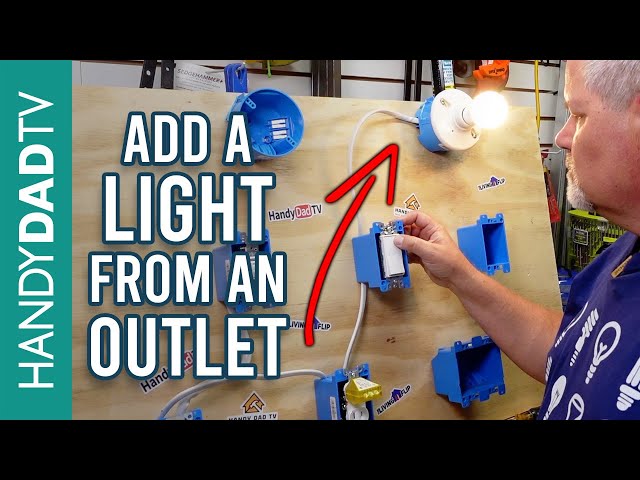
Furthermore, the use of digital resources like video tutorials and online forums plays a significant role in facilitating knowledge sharing and problem-solving within the community. These platforms empower individuals to learn at their own pace and access expert advice when needed. The ability to tap into a vast network of experienced electricians and DIY enthusiasts fosters a collaborative environment that promotes safe and effective electrical practices.
Essential Tools and Materials for Wiring a Light Fixture and Switch
Before commencing with the task of wiring a light fixture and switch, it is imperative to gather all the necessary tools and materials. This proactive step ensures a smoother and safer working experience.
Circuit Tester
A circuit tester is essential for verifying that the power is off before commencing any wiring work. This tool confirms the absence of live electricity, preventing potential shocks and ensuring personal safety. Before touching any wires, use the circuit tester on each wire to ensure the circuit is de-energized. This step is non-negotiable for safe electrical work. Without this tool, there is no assurance that there is no electric current running on the wires. Using this device is to check electrical voltage.
Wire Strippers
Wire strippers are specialized tools designed to remove the insulation from electrical wires without damaging the conductive core. Using the correct gauge setting on the stripper ensures a clean and precise cut. Damaged wires can lead to short circuits or unreliable connections. Having a good quality of the wire stripper is a must. This wire stripper can be used in various wire gauges.
Screwdrivers (Various Sizes)
A variety of screwdrivers, including both flathead and Phillips head, are necessary for securing wires to terminals and mounting the light fixture and switch. Using the correct size screwdriver prevents damage to screw heads and ensures a secure connection. It is advisable to have a range of sizes available to accommodate different screw types. Without having this type of screwdriver, you cannot install the light fixture and switch.
Pliers
Pliers are versatile tools used for bending, twisting, and gripping wires. Needle-nose pliers are particularly useful for working in tight spaces and making precise bends. Ensuring a secure grip on wires is crucial for making reliable connections. You can also use the pliers to help loosen the screws.
Electrical Tape
Electrical tape is used to insulate exposed wire connections, preventing short circuits and ensuring safety. Wrapping each connection securely with multiple layers of tape provides a reliable barrier against accidental contact. Using high-quality electrical tape is essential for long-lasting protection. This will prevent electric shock on the exposed connection.
Frequently Asked Questions About Wiring a Light Fixture and Switch
Many frequently asked questions about wiring a light fixture and switch commonly arise when homeowners or DIY enthusiasts embark on electrical projects. Addressing these inquiries with clear and concise answers is essential for promoting safe and effective practices. Understanding the underlying principles and potential challenges associated with wiring can empower individuals to tackle electrical tasks with greater confidence. Common queries often revolve around safety precautions, wiring configurations, and troubleshooting common issues.
Providing comprehensive and accessible information about wiring a light fixture and switch is crucial for fostering a culture of electrical safety and preventing accidents. By addressing frequently asked questions, this article aims to equip readers with the knowledge and skills necessary to complete electrical projects successfully. Addressing these questions upfront allows individuals to troubleshoot some common wiring issues.
What is the first thing I should do before wiring a light fixture and switch?
The first and most crucial step is to turn off the power to the circuit at the breaker box. Use a circuit tester to verify that the power is indeed off before proceeding with any wiring work. Ignoring this step could lead to electric shock or electrocution. The goal is to prevent electric shock.
What type of wire should I use for wiring a light fixture and switch?
Use the correct gauge and type of wire as specified by local electrical codes and the manufacturer’s instructions for the light fixture and switch. Typically, 14-gauge wire is suitable for 15-amp circuits, while 12-gauge wire is required for 20-amp circuits. Ensure that the wire is rated for the voltage and amperage of the circuit. Using the correct type of wire is a must.
How do I identify the neutral, hot, and ground wires?
Typically, the neutral wire is white, the hot wire is black, and the ground wire is green or bare copper. However, it is crucial to verify the wire identification using a circuit tester before making any connections. Always follow established wiring conventions to avoid confusion and potential hazards. If unsure, consult a qualified electrician.
What is the proper way to connect wires to terminals?
Ensure that the wire ends are clean and properly stripped before connecting them to terminals. Use pliers to create a small hook on the end of the wire and wrap it clockwise around the screw terminal. Tighten the screw securely to ensure a reliable connection. Loose connections can cause overheating and potential fire hazards. Make sure the wires are tight.
How do I know if my wiring is correct?
After completing the wiring, double-check all connections to ensure they are secure and properly insulated. Turn the power back on at the breaker box and test the light fixture and switch to verify that they are functioning correctly. If anything seems amiss, turn off the power immediately and re-examine the wiring. Consider consulting with an electrician to check if wiring a light fixture and switch already correct.
What safety precautions should I take while wiring a light fixture and switch?
Always turn off the power to the circuit at the breaker box before commencing any wiring work. Wear safety glasses to protect your eyes from debris and use insulated tools to prevent electric shock. If you are not comfortable working with electricity, seek the assistance of a qualified electrician. It’s also a good idea to have a partner or someone to check on you.
What do I do if the light fixture flickers after I wire it?
Flickering lights often indicate loose connections or a faulty switch. Turn off the power and inspect all connections to ensure they are secure and properly insulated. Replace the switch if necessary. If the problem persists, consult a qualified electrician for further assistance. Make sure the switches used are still working.
By addressing these frequently asked questions, this article aims to empower readers with the knowledge and confidence to undertake basic electrical projects safely and successfully. It’s important to know the answers to these questions before doing anything. Addressing frequently asked questions will help prevent further damage.
Key Aspects to Consider When Wiring a Light Fixture and Switch
When wiring a light fixture and switch, several key aspects demand careful attention to ensure safety and functionality. These considerations range from adhering to electrical codes to selecting appropriate materials and implementing proper wiring techniques. Prioritizing these aspects minimizes the risk of electrical hazards and guarantees a reliable and long-lasting installation. By understanding these essential elements, individuals can approach electrical projects with greater confidence and competence. These essential elements are the foundation of this activity.
Electrical codes, safety procedures, and connection integrity form the cornerstone of successful wiring. Each element contributes to the overall reliability and safety of the electrical system. Awareness of these aspects ensures compliance with industry standards and protects against potential hazards. These factors will influence the success of this activity.
Safety
Safety is paramount when working with electricity. Always turn off the power at the breaker before beginning any wiring. Use a circuit tester to confirm that the power is off. Wear safety glasses and insulated gloves to protect yourself from potential hazards. Having these in mind can prevent electric shock.
Wiring Diagram
Follow a wiring diagram to ensure that the connections are made correctly. The diagram will show the correct wiring configuration for the specific type of switch and light fixture being used. Deviating from the diagram can lead to malfunctions or safety hazards. Double check if the wiring diagram is correct.
Connections
Ensure that all wire connections are secure and properly insulated. Loose connections can cause overheating and potential fire hazards. Use wire connectors or electrical tape to insulate exposed wire ends. This is important to prevent fire.
Consider the impact each aspect can have on the overall success of the wiring. Understanding how to handle these essential aspects contributes to making the process more simple. The understanding of all of these will help the activity.
The essential thing when wiring a light fixture and switch is that you need to have all the tools and equipment. And then make sure you know all the diagrams and follow all safety measures. This will help you do it safely.
Helpful Tips for Successful Wiring of a Light Fixture and Switch
To ensure a smooth and successful wiring of a light fixture and switch, consider the following helpful tips. These suggestions can enhance safety, efficiency, and the overall quality of the electrical work. Implementing these tips can minimize potential challenges and lead to a professional outcome. Wiring a light fixture and switch requires expertise, which can be done through constant practice and guidance from expertise.
These tips encompass best practices for preparation, execution, and troubleshooting during the wiring process. Following these guidelines can help prevent common mistakes and ensure a reliable and long-lasting electrical installation. These tips will save you from damages.
Double-Check Connections
Before turning the power back on, meticulously double-check all wire connections to ensure they are secure and properly insulated. Loose connections can lead to flickering lights, overheating, or even electrical fires. Taking the time to verify each connection minimizes the risk of future problems. Inspecting it twice is a must to ensure all connection is safe.
Use Wire Connectors
Employ wire connectors, also known as wire nuts, to create secure and insulated connections between wires. These connectors provide a reliable alternative to simply twisting wires together and taping them. Using wire connectors helps prevent loose connections and enhances overall safety. There are variety of wire connectors in the market and can be bought in any electrical store.
Label Wires
When working with multiple wires, label each wire with electrical tape and a permanent marker to indicate its function (e.g., neutral, hot, ground). This practice simplifies the wiring process and prevents confusion, especially when troubleshooting or making future modifications. This practice is a time saver and also a safe practice.
Test the Switch
After wiring the switch, test it to ensure that it is functioning correctly before installing the light fixture. This step helps identify any wiring errors early on and prevents potential damage to the light fixture. Troubleshooting is a must to find the problem.
Consult a Professional
If you are unsure about any aspect of the wiring process, do not hesitate to consult a qualified electrician. Attempting to perform electrical work without proper knowledge and experience can be dangerous and may violate local electrical codes. An electrician can provide expert guidance and ensure that the wiring is done safely and correctly. Remember that professionals can provide proper expertise and can avoid hazards.
Use a Quality Tools
When wiring a light fixture and switch, make sure you use a quality tools. This will also help you do the task safely. Avoid using the low-quality type of tools.
Electrical wiring is a crucial skill for both homeowners and professionals, demanding precision and adherence to safety protocols. The knowledge of how to do the task will help you to not commit errors.
In conclusion, wiring a light fixture and switch is a task that requires careful planning, execution, and adherence to safety guidelines. By following the steps outlined in this article and consulting with a qualified electrician when needed, individuals can confidently undertake basic electrical projects while minimizing the risk of potential hazards.
Youtube Video: