 Solange Émile
 The 7 way wiring harness serves as a standardized connection system, facilitating the reliable and safe operation of trailer lights and auxiliary functions. This essential component allows vehicles to tow trailers equipped with electric brakes, running lights, brake lights, turn signals, and auxiliary power. Its standardized design ensures compatibility across a wide range of vehicles and trailers, simplifying the connection process. Proper installation and maintenance are crucial for safe towing. The integrity of the system directly impacts road safety.
A 7 way wiring harness is a critical part of any towing setup, acting as the central nervous system between the towing vehicle and the trailer. It transmits electrical signals that control essential functions on the trailer, such as brake lights, turn signals, running lights, and in some cases, even electric brakes. Without a properly functioning one, safe and legal towing is impossible.
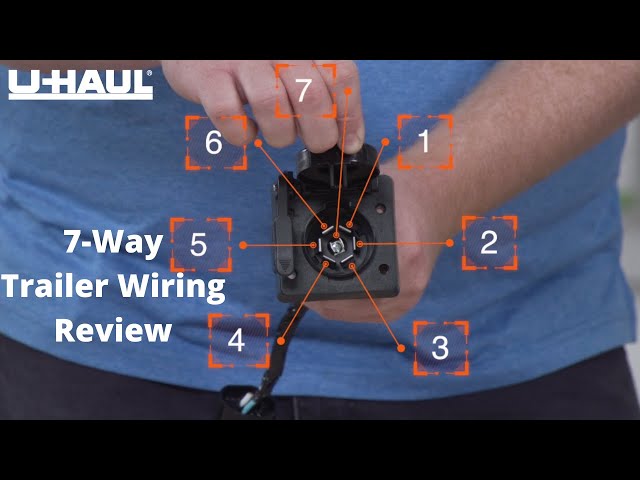
The configuration of a 7 way wiring harness is specifically designed to handle a variety of electrical needs. Each of the seven pins or blades within the connector is assigned a unique function, ensuring that the correct signals are sent to the corresponding components on the trailer. This standardized system is crucial for maintaining consistent and predictable operation of trailer lights and brakes.
Understanding the 7 Way Wiring Harness Configuration
The topic of the 7 way wiring harness often arises in various forums, social media, and even everyday conversations, indicating how relevant this issue is within society. Individuals frequently discuss the correct wiring configurations, troubleshooting common issues, and determining the best practices for maintaining the integrity of the connection. Misunderstandings about wiring standards and potential compatibility issues with different vehicle models are also common points of discussion. This highlights the importance of clear and accessible information regarding this critical towing component.
Discussions surrounding the 7 way wiring harness also frequently involve the selection of appropriate harnesses for specific towing needs. Factors such as the type of trailer being towed, the presence of electric brakes, and the desired auxiliary functions all influence the choice of harness. People often seek advice on choosing between different brands and models, considering factors such as durability, weather resistance, and ease of installation. The experiences and recommendations of other users play a significant role in these decisions.
The significance of a properly installed 7 way wiring harness cannot be overstated, emphasizing the importance of proper configuration and the potential repercussions of improper wiring. Proper installation is paramount not only for ensuring functionality, but also for preventing electrical issues that could compromise safety. The conversation often centers on the benefits of professional installation versus DIY approaches, with the expertise of qualified technicians often preferred for complex setups or when dealing with electric brakes.
Diagnosing Issues with Your 7 Way Wiring Harness
A faulty 7 way wiring harness can manifest in a variety of ways, ranging from non-functioning lights to malfunctioning brakes. Identifying the source of the problem requires a systematic approach, starting with a visual inspection of the connector and wiring. Checking for corrosion, loose connections, and damaged wires is essential for pinpointing the cause of the issue. Proper diagnostic tools, such as a multimeter, are also necessary for testing the continuity and voltage of each circuit.
Troubleshooting the 7 way wiring harness is a common issue for trailer owners. Here are some steps to take:
Step 1: Visual Inspection
Begin by visually inspecting the entire length of the harness, from the connector at the vehicle to the connector at the trailer. Look for any signs of damage, such as cuts, abrasions, or exposed wires. Pay close attention to the connectors themselves, checking for corrosion, bent pins, or loose connections. Any visible damage should be addressed immediately to prevent further issues.
Step 2: Clean the Connectors
Corrosion is a common culprit in electrical issues. Clean both the vehicle and trailer connectors with a wire brush or electrical contact cleaner. Ensure all dirt and debris are removed to establish a good electrical connection. Apply dielectric grease to the connectors after cleaning to help prevent future corrosion.
Step 3: Test for Continuity
Use a multimeter to test the continuity of each wire in the harness. Disconnect the harness from both the vehicle and trailer before testing. Set the multimeter to the continuity setting and touch the probes to each corresponding pin on the connector. A lack of continuity indicates a break in the wire that needs to be repaired.
Step 4: Check the Ground Connection
A poor ground connection is a frequent cause of electrical problems. Ensure that the ground wire is securely attached to both the vehicle and the trailer frame. Clean any rust or corrosion from the ground connection points to ensure a good electrical path. A loose or corroded ground can cause intermittent issues that are difficult to diagnose.
Step 5: Test with a Trailer Tester
A trailer tester is a valuable tool for diagnosing wiring issues. Plug the tester into the vehicle’s 7 way wiring harness connector and activate each function (lights, brakes, etc.). The tester will indicate whether each circuit is functioning correctly. This helps isolate whether the issue is with the vehicle or the trailer wiring.
Frequently Asked Questions About the 7 Way Wiring Harness
Addressing frequently asked questions about the 7 way wiring harness is essential for ensuring safe and reliable towing. These inquiries range from understanding the function of each pin to troubleshooting common issues and selecting the appropriate harness for specific needs. Providing clear and concise answers to these questions empowers individuals to maintain their towing systems effectively and avoid potential safety hazards.
What is the purpose of each pin in the 7 way wiring harness?
Each pin in a 7 way wiring harness has a specific function, as defined by the industry standard. These functions include: ground, tail lights, left turn signal/brake light, right turn signal/brake light, electric brakes, 12V power, and auxiliary. Understanding the purpose of each pin is crucial for proper wiring and troubleshooting. This information is readily available in the vehicle and trailer owner’s manuals, as well as online resources.
How do I troubleshoot a 7 way wiring harness that isn’t working?
Troubleshooting a 7 way wiring harness typically involves visual inspection, cleaning the connectors, testing for continuity, and checking the ground connection. A multimeter and trailer tester are valuable tools for diagnosing electrical issues. Starting with the simplest checks and systematically working through each circuit can help pinpoint the source of the problem. Consulting a qualified technician is recommended for complex issues or when dealing with electric brakes.
What type of 7 way wiring harness do I need for my trailer?
The type of 7 way wiring harness needed depends on the functions required by the trailer. Trailers with electric brakes require a harness with a dedicated wire for the brake controller. Some trailers may also require a 12V power wire for charging batteries or running auxiliary equipment. Consulting the trailer’s owner’s manual or a qualified technician can help determine the appropriate harness.
Can I convert a 4-way flat connector to a 7 way wiring harness?
Converting a 4-way flat connector to a 7 way wiring harness is possible, but it requires additional wiring and components. The 4-way connector only provides basic lighting functions (tail lights, brake lights, and turn signals). To add electric brakes and auxiliary power, additional wires must be run from the vehicle to the trailer connector. A brake controller and possibly a heavier gauge wire for the 12V power are also needed. It is important to ensure that the tow vehicle’s electrical system can handle the additional load.
What are the signs of a bad 7 way wiring harness?
Signs of a failing 7 way wiring harness can include dim or flickering lights, non-functioning brake lights or turn signals, intermittent electrical issues, and corrosion on the connectors. These symptoms indicate a problem with the wiring or connections and should be addressed promptly to ensure safe towing. Ignoring these signs can lead to more serious electrical issues and potential safety hazards.
How do I maintain my 7 way wiring harness to prevent problems?
Maintaining a 7 way wiring harness involves regular visual inspections, cleaning the connectors, applying dielectric grease to prevent corrosion, and ensuring that the wires are properly secured and protected from damage. Storing the harness properly when not in use can also help prolong its lifespan. Addressing any minor issues promptly can prevent them from escalating into more serious problems.
Understanding the importance of the 7 way wiring harness extends beyond simple functionality. A properly functioning one not only ensures compliance with legal requirements, but also contributes significantly to overall road safety. Faulty wiring can lead to unpredictable braking and lighting, increasing the risk of accidents.
The selection of a quality 7 way wiring harness is also a crucial consideration. Harnesses constructed from durable materials and featuring weather-resistant connectors are more likely to withstand the rigors of towing and provide reliable performance over time. Investing in a quality harness can save time and money in the long run by reducing the need for frequent repairs or replacements.
Key Aspects of a 7 Way Wiring Harness
Considering the part of speech of the keyword 7 way wiring harness, which is a noun phrase, the essential aspects revolve around components, functionality, and the overall system it represents. Key elements include its construction, function, common issues, diagnosis, and maintenance. Exploring these aspects provides a comprehensive understanding of this essential towing component. These various dimension are essential to understanding towing and its impact.
Configuration
The configuration of a 7 way wiring harness refers to the arrangement and assignment of each wire within the connector. Each of the seven pins or blades is assigned a specific function, such as ground, tail lights, brake lights, turn signals, electric brakes, 12V power, and auxiliary. Adhering to the standardized configuration is crucial for ensuring compatibility and proper operation of the trailer’s electrical system. Deviations from the standard configuration can lead to malfunctions and potential safety hazards.
Compatibility
Compatibility is a key aspect of a 7 way wiring harness, ensuring that it can seamlessly integrate with both the towing vehicle and the trailer. This involves matching the connector type, wiring configuration, and electrical requirements of both systems. Mismatched components can lead to malfunctions, damage, or even safety hazards. Consulting the vehicle and trailer owner’s manuals or a qualified technician can help ensure proper compatibility.
Durability
The durability of a 7 way wiring harness is essential for withstanding the rigors of towing. Exposure to the elements, vibrations, and physical stress can all contribute to wear and tear. Selecting a harness constructed from durable materials and featuring weather-resistant connectors is crucial for ensuring long-lasting performance. Regular inspection and maintenance can also help prolong the lifespan of the harness.
Detailed discussion on the key aspects, through examples, connections, or linkage to the main topic such as configuration with compatible, durability for longer lifespan and more.
The importance of a well-maintained 7 way wiring harness cannot be overstated. Regular inspection and preventative maintenance are essential for ensuring reliable and safe towing. Addressing any issues promptly can prevent them from escalating into more serious problems.
Essential Tips for Maintaining Your 7 Way Wiring Harness
Providing essential tips for maintaining your 7 way wiring harness is a proactive approach to ensuring reliable and safe towing. Regular inspections, proper cleaning, and protective measures can significantly extend the lifespan of the harness and prevent potential electrical issues. These tips empower individuals to take ownership of their towing systems and minimize the risk of malfunctions.
Following these tips regarding your 7 way wiring harness can help prolong its life and ensure safe towing. With proper care and attention, the electrical system can operate effectively. It’s a worthy investment into your harness to ensure that towing is safe.
Regular Visual Inspections
Conduct regular visual inspections of the entire harness, from the vehicle connector to the trailer connector. Look for any signs of damage, such as cuts, abrasions, or exposed wires. Pay close attention to the connectors themselves, checking for corrosion, bent pins, or loose connections.
Clean the Connectors Regularly
Corrosion is a common problem that can lead to electrical issues. Clean both the vehicle and trailer connectors regularly with a wire brush or electrical contact cleaner. Apply dielectric grease to the connectors after cleaning to help prevent future corrosion.
Secure the Wiring Properly
Ensure that the wiring is properly secured to the vehicle and trailer frame. Use zip ties or other fasteners to keep the wires from dangling or rubbing against sharp edges. This will help prevent damage and prolong the lifespan of the harness.
Protect from the Elements
Exposure to the elements can accelerate the degradation of the wiring and connectors. Consider using a weather-resistant cover for the vehicle connector when not in use. This will help protect it from rain, snow, and other environmental factors.
Test the Connections Regularly
Use a trailer tester to periodically test the connections and ensure that all circuits are functioning properly. This will help identify any potential issues before they escalate into more serious problems. A trailer tester is a valuable tool for diagnosing electrical issues.
The information presented underscores the importance of understanding and maintaining the 7 way wiring harness for safe and compliant towing. Proper configuration, regular inspection, and preventative maintenance are essential for ensuring reliable performance and preventing potential hazards. By adhering to industry standards and best practices, individuals can minimize the risk of electrical issues and enjoy peace of mind while towing.
Ultimately, the 7 way wiring harness is a crucial component of any towing setup, requiring careful attention to detail and adherence to safety guidelines. Its proper function is essential for ensuring the safe and legal operation of trailers, contributing to overall road safety and preventing accidents.
Youtube Video: